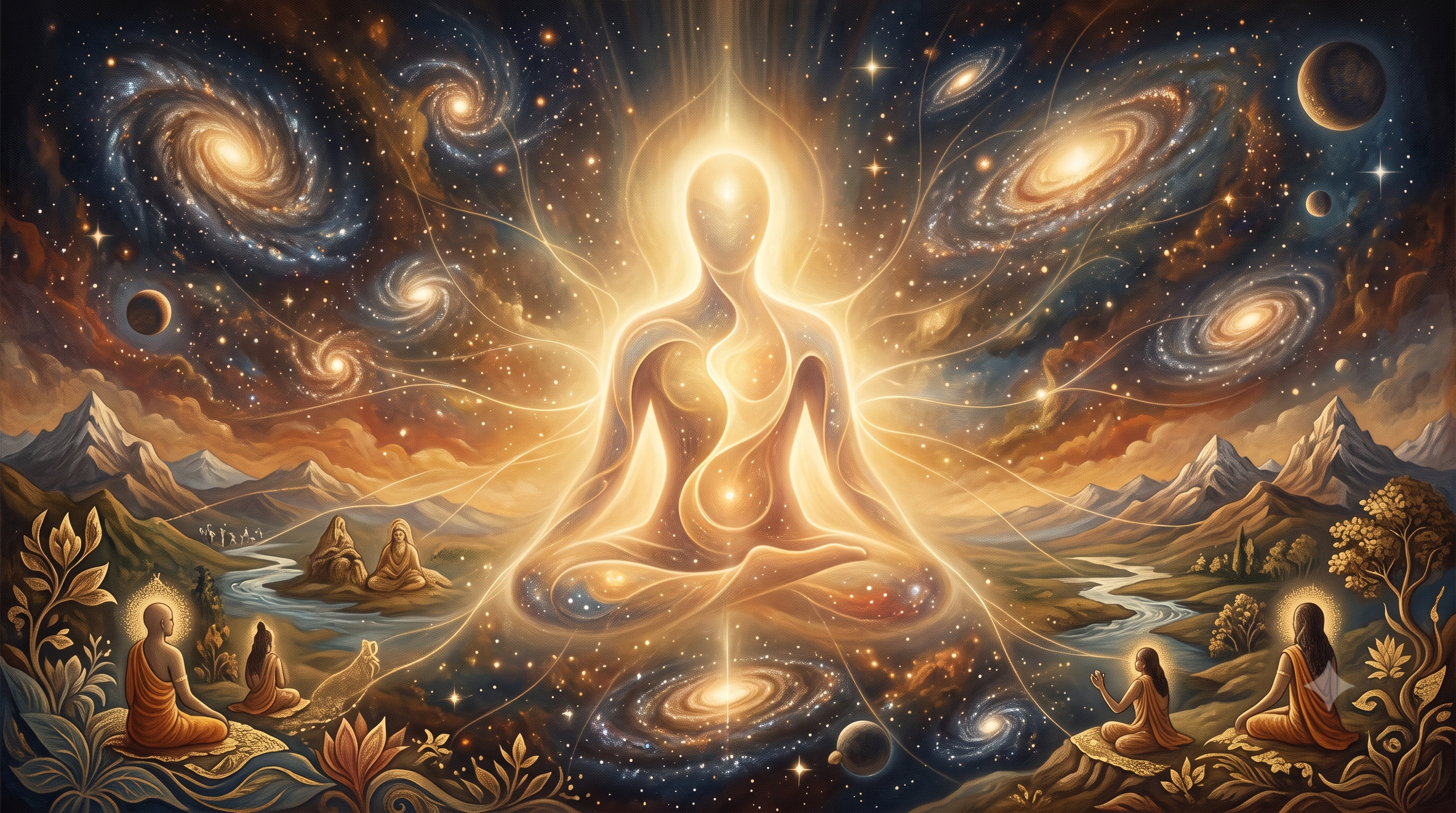
Who is God in Advaita Vedanta?
Explore the profound Advaita Vedanta understanding of God, distinguishing between Nirguna Brahman, the absolute reality, and Ishvara, the personal Lord, through classical texts and deep philosophical inquiry.
12 articles in this category.
Explore the profound Advaita Vedanta understanding of God, distinguishing between Nirguna Brahman, the absolute reality, and Ishvara, the personal Lord, through classical texts and deep philosophical inquiry.
वेदान्त की गहन दृष्टि से संसार की मिथ्याता को समझें। यह लेख बताता है कि कैसे इस दार्शनिक सत्य को दैनिक साधना में उतारकर साक्षी भाव प्राप्त करें और आंतरिक शांति का अनुभव करें।

ौन के पवित्र आश्रय में सौंदर्य जीवंत हो उठता है। मौन के उस निर्मल सौंदर्य की वेदी पर विनम्रता जीवन के साथ सहजता से खेलती है। और जब विनम्रता में एक आंतरिक लय उत्पन्न होती है, तब उसके प्रकाश में निर्दोषिता स्वयं को प्रकट करने लगती है।

If the whole universe can be found in our own body and mind, this is where we need to make our inquiries. We all have the answers within ourselves—we just have not got in touch with them yet. The potential of finding the truth within requires faith in ourselves.
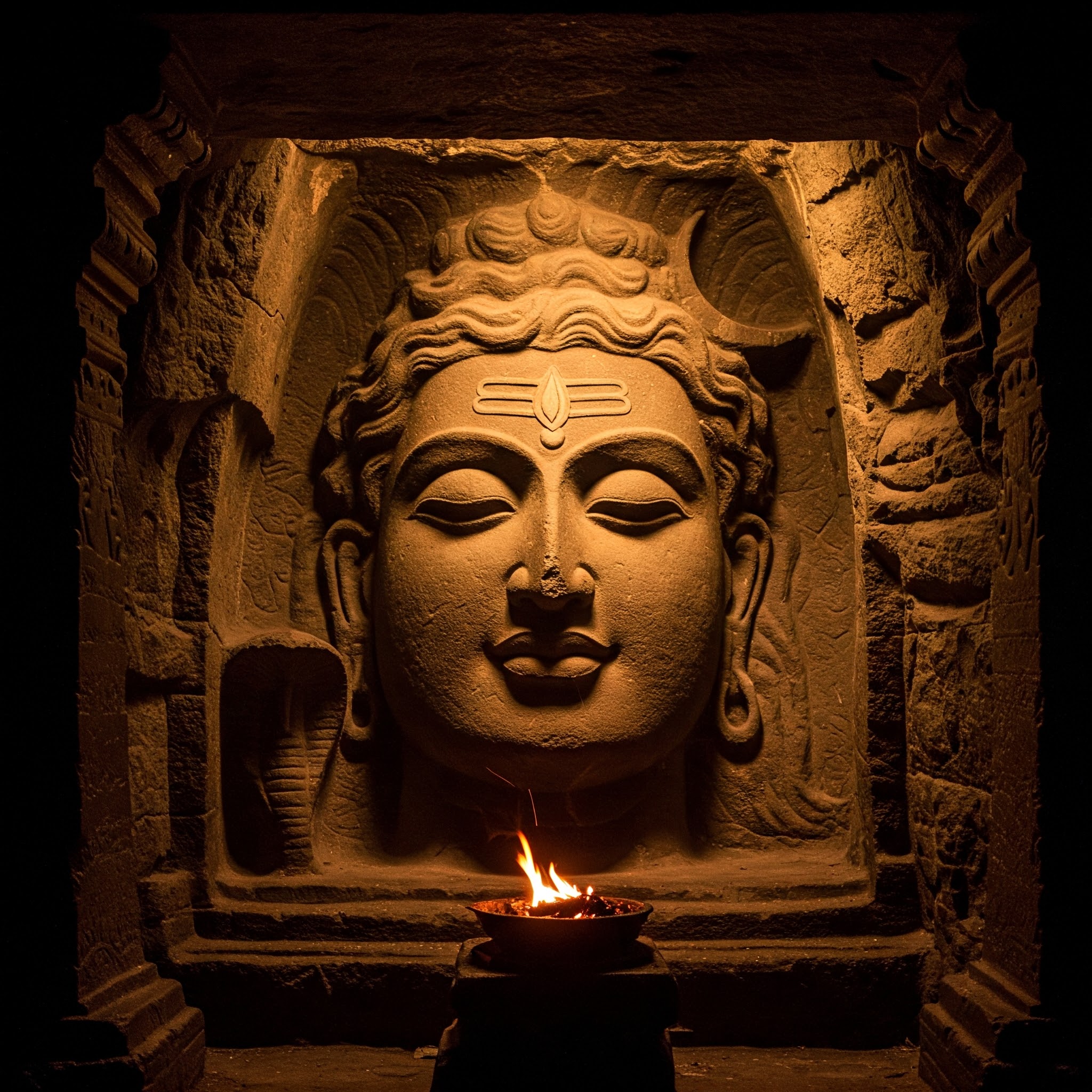
Delve into the mystical realms of sleep through the lens of Advaita Vedanta, exploring its states, the reality of dreams, and the ultimate transcendence in Turīya. This article navigates the traditional Indian philosophical perspective on sleep, grounded in seminal texts like the Mandukya Upanishad and the Bhagavad Gita.

Bhartr̥hari, in his contemplative masterpiece the *Vairāgya Śatakam*, invites us to pause and look closer. Through the practice of *Samsāra Dōṣa Darśanam*—the objective observation of the defects inherent in worldly pursuits—he shatters the illusion of material permanence.

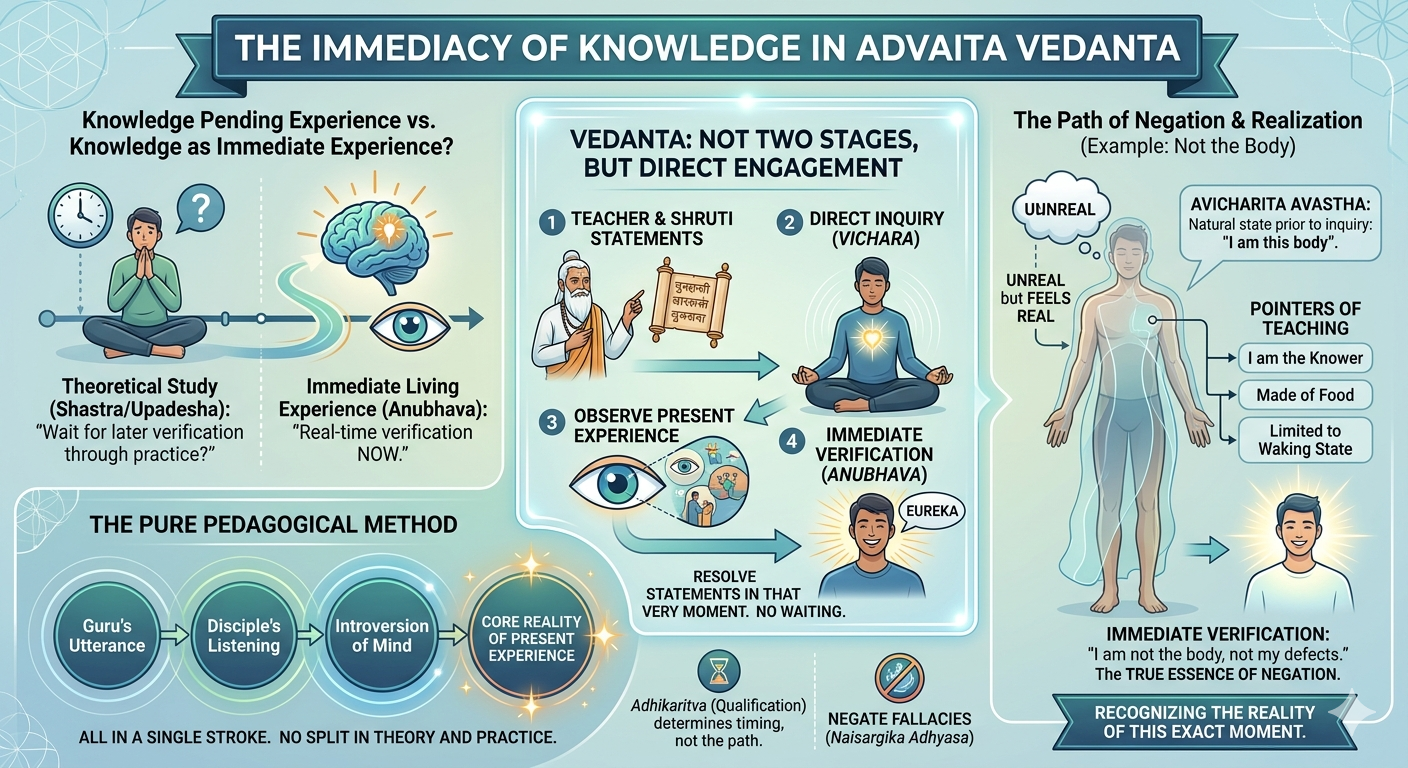
Vedanta does not operate in two stages. It directly asks us to engage with and observe our real-time experience. Therefore, the statements made by the shruti or the teacher must culminate in one's own living experience in that very moment, resolving the statement immediately.

अद्वैत वेदांत स्पष्ट कहता है – ब्रह्म सत्यं, जगन्मिथ्या। इस जगत का हर पदार्थ क्षयशील है। सोना-चाँदी रूप, रंग, भार में बदलता है; शरीर बूढ़ा होकर मरता है; धन चोरी, कर, दुर्घटना या मृत्यु से नष्ट हो जाता है। इसलिए यह ‘क्षय’ है, ‘अक्षय’ नहीं।
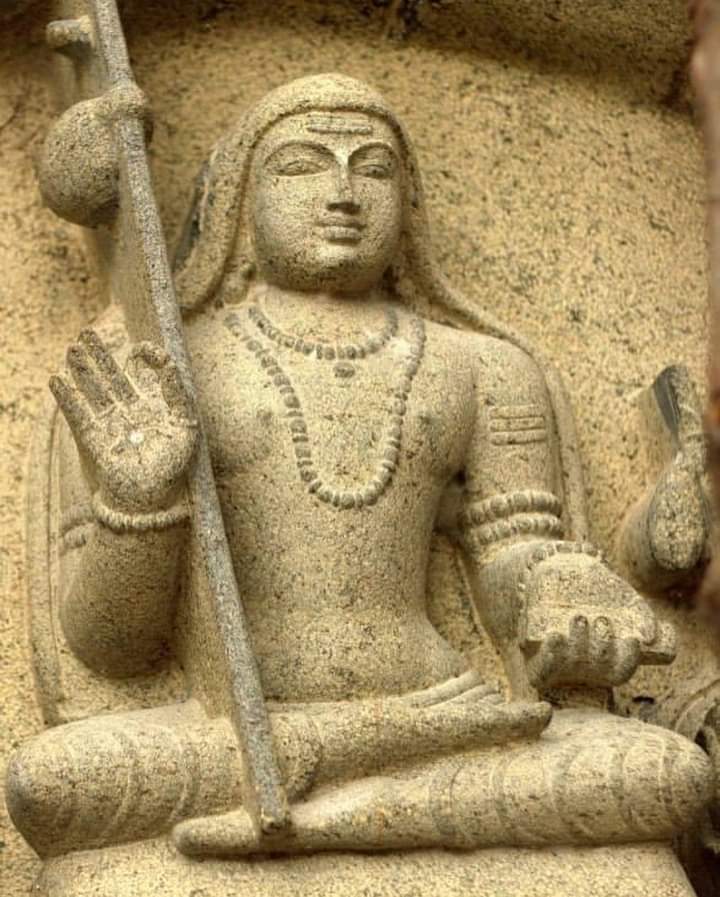
The very act of reading this sentence is a testament to the dualistic structure of the human mind. To read, we parse symbols on a screen, distinguishing between subject and object, here and there, word and meaning.
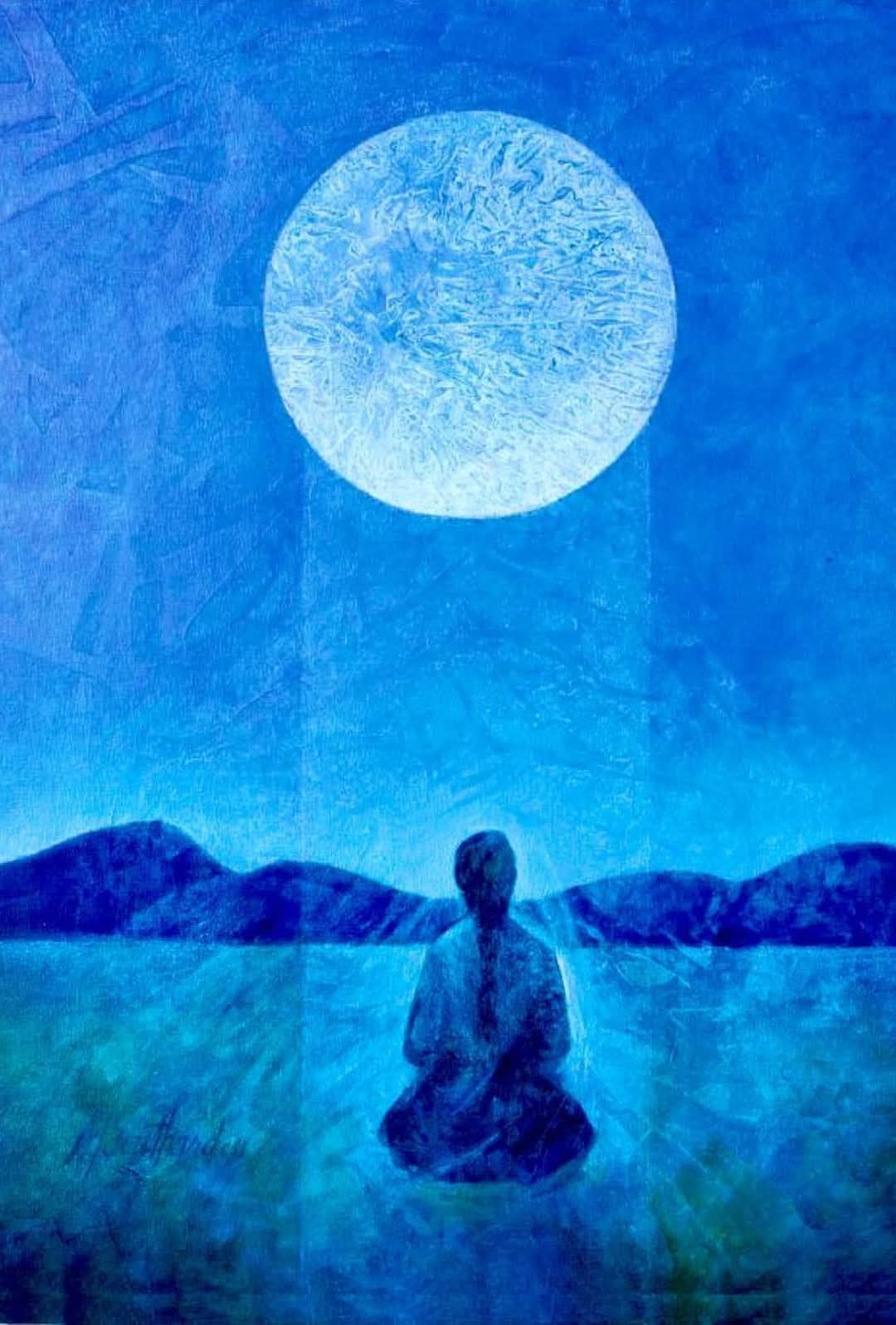
वेदान्त में आत्मा के स्वरूप को 'स्वयं प्रकाश' (Self-luminous / Self-revealing) कहा गया है। इसका अर्थ यह है कि आत्मा को सिद्ध करने या जानने के लिए किसी अन्य माध्यम की आवश्यकता नहीं होती।