Sleep Analysis According to Advaita Vedanta
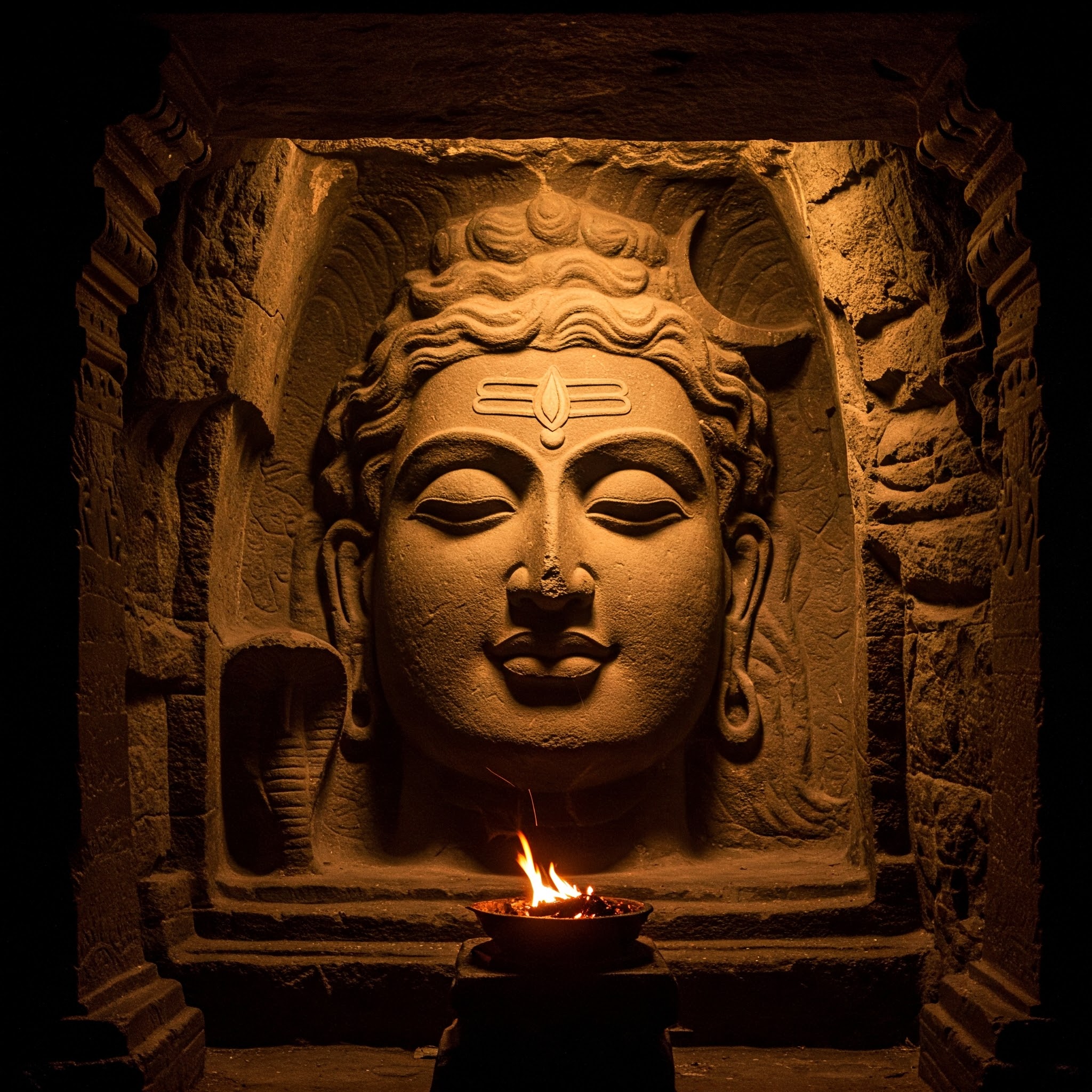
Sleep Analysis According to Advaita Vedanta
Introduction
Advaita Vedanta, a school of Hindu philosophy, offers profound insights into the nature of reality, consciousness, and the human experience. Among its vast explorations, the analysis of sleep and its states provides a fascinating glimpse into the tradition’s understanding of the human condition. This article will delve into the Advaitic perspective on sleep, utilizing the Mandukya Upanishad as a primary text, supplemented by insights from the Bhagavad Gita, Vivekachudamani, and Yoga Vasistha. The focus will be on dissecting the states of sleep, the nature of dreams, and the ultimate state of Turīya, where the distinctions of wakefulness, dream, and sleep are transcended.
The States of Consciousness in Advaita Vedanta
Advaita Vedanta categorizes human consciousness into four primary states (Jñāna-Chatusthayam): Jāgrat (wakefulness), Svapna (dream), Nidrā (deep sleep), and Turīya (the fourth state, beyond the three). Each state offers a unique lens through which the nature of the Self (Ātman) and reality (Brahman) can be understood.
1. Jāgrat (Wakefulness)
- Characteristics: Engagement with the external world through the senses.
- Advaitic Insight: The state where the illusion of a separate self (DrishTi) is most pronounced, veiling the true nature of Brahman.
2. Svapna (Dream)
-
Characteristics: Internal, subjective experience disconnected from external reality.
-
Advaitic Insight:
“[स्वप्ननिद्रायुतावाद्यौ प्राज्ञस्त्वस्वप्ननिद्रया । न निद्रां नैव च स्वप्नं तुर्ये पश्यन्ति निश्चिताः ॥ १४ ॥]”
— Mandukya Upanishad, Chapter 1, Verse 14Translation: “14. The first two (Viśva and Taijasa) are associated with the conditions of dream and sleep. Prājña is the condition of sleep without dream. Those who have known the truth see neither sleep nor dream in Turīya.”
Word-by-Word Explanation and Commentary:
- Svapna (स्वप्न): Dream, characterized by misapprehension of Reality, akin to mistaking a rope for a snake (Adi Shankaracharya’s Bhashya).
- Nidrā (निद्रा): Deep sleep, marked by the absence of Knowledge of Reality.
- Prājña: The state of deep sleep without dreams, still conditioned by the cause (ignorance), not the effect (dreams).
- Turīya: The state beyond the three, where neither sleep nor dream (nor wakefulness) is experienced due to the absence of ignorance (Ajñāna).
Practical Implication: Dreams, like wakefulness, are states of misperception, highlighting the transient nature of all phenomena except Brahman.
3. Nidrā (Deep Sleep)
- Characteristics: Absence of both external and internal experiences.
- Advaitic Insight: Though Prājña (the subject of deep sleep) is closer to the unified state due to the lack of dreams, it remains a state of ignorance regarding the true Self.
4. Turīya
- Characteristics: The transcendental state beyond the three aforementioned states.
- Advaitic Insight:
- Unity and Awareness: The state of pure consciousness, untouched by the dualities of the other states.
- Reality of Dreams and Sleep in Turīya: As highlighted in the Mandukya Upanishad (1.14), in Turīya, the distinctions of dream and sleep (and by extension, wakefulness) are non-existent, much like darkness cannot coexist with the light of the Sun.
Dream: Fantasy or Real?
From an Advaita Vedanta perspective, dreams (Svapna) are considered a form of Misapprehension (Viparyaya) of Reality, similar to but distinct from the misapprehension in wakefulness. Both states veil the true nature of Ātman/Brahman but in different ways:
- Wakefulness (Jāgrat): Misapprehension through external, sensory engagement.
- Dream (Svapna): Internal misapprehension, where the mind constructs its reality.
Reality Status: Neither fully real (as in reflecting ultimate Reality) nor completely unreal (since they are experienced), dreams occupy a middle ground, akin to the illusion (Māyā) that characterizes the phenomenal world.
Practical Implications for Spiritual Growth
- Awareness in Dreams: Cultivating awareness even in dreams can accelerate spiritual growth by reducing the power of Māyā in all states.
- Deep Sleep as a Prelude to Turīya: The unified, though unconscious, state of deep sleep can serve as a psychological and philosophical precursor to understanding the unified consciousness of Turīya.
- Meditation and Turīya: Regular meditation practice can provide glimpses into the Turīya state, facilitating a deeper understanding of the Self beyond the cycles of sleep and wakefulness.
Conclusion
Advaita Vedanta’s analysis of sleep and its states offers a profound philosophical framework for understanding human consciousness and the path to realizing the ultimate Reality. Through the lens of the Mandukya Upanishad and supported by other seminal texts, we see that:
- Dreams and Sleep are transient, illusory states.
- Turīya represents the goal of spiritual pursuit, a state of pure, unadulterated consciousness.
Call to Action for the Seeker:
Reflect on the nature of your dreams and deep sleep. Meditate to glimpse Turīya. Study the scriptures to deepen your understanding of the ultimate Reality.
References
- Mandukya Upanishad with Adi Shankaracharya’s Bhashya
- Anandagiri Tika (for glossary and commentary insights)
Related Reading

मौन की यात्रा - जीवन सत्य और स्वतंत्रत
ौन के पवित्र आश्रय में सौंदर्य जीवंत हो उठता है। मौन के उस निर्मल सौंदर्य की वेदी पर विनम्रता जीवन के साथ सहजता से खेलती है। और जब विनम्रता में एक आंतरिक लय उत्पन्न होती है, तब उसके प्रकाश में निर्दोषिता स्वयं को प्रकट करने लगती है।

Finding the Universe Within - A Guide to Mindfulness, Letting Go, and True Joy
If the whole universe can be found in our own body and mind, this is where we need to make our inquiries. We all have the answers within ourselves—we just have not got in touch with them yet. The potential of finding the truth within requires faith in ourselves.

Shadows in the Mirage - The Three Defects of Worldly Life
Bhartr̥hari, in his contemplative masterpiece the *Vairāgya Śatakam*, invites us to pause and look closer. Through the practice of *Samsāra Dōṣa Darśanam*—the objective observation of the defects inherent in worldly pursuits—he shatters the illusion of material permanence.