Difference between Japa and Sumiran
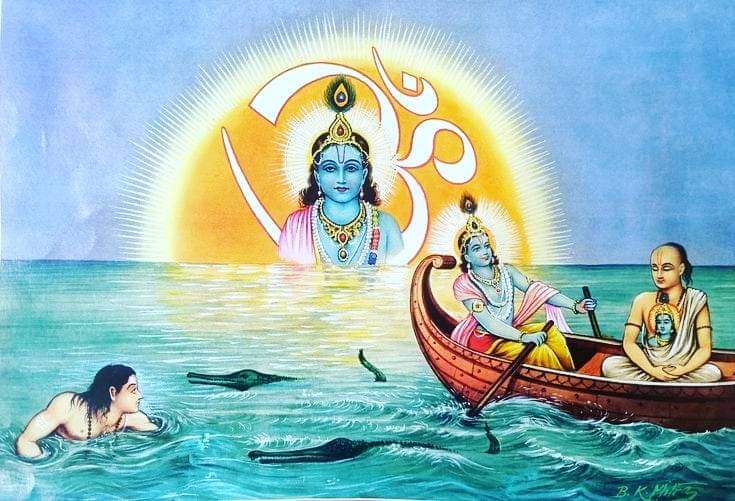
The landscape of Indian spirituality is vast, yet few practices possess the universality and accessibility of जप (Japa). Across the diverse tapestry of sampradayas (traditions)—whether the rigorous Vaidika path, the devotional Bhakti movements, the esoteric Tantra, the contemplative Yoga of Patanjali, or the Sikh, Sufi, and Jain traditions—the repetition of a sacred name or mantra stands as a foundational sadhana (spiritual practice). It is often hailed as the Kaliyuga’s most potent yajna (sacrifice), requiring neither elaborate ritualistic paraphernalia nor the stringent physical postures of Hatha Yoga. The instruction is deceptively simple: move the lips, engage the tongue, and vibrate the sacred sound.
However, the simplicity of the mechanism belies a profound spectrum of depth. The distinction between जप (Japa)—the mechanical or intentional repetition—and सुमिरन (Sumiran/Smaraṇa)—the deep, spontaneous remembrance—marks the boundary between karma (action) and bhava (being), between effort and grace. This article explores this subtle transition, drawing upon the wisdom of the Shastras and the lived experiences of the Sants, to illuminate how the aspirant (sadhaka) can guide the mind from the shore of sound into the ocean of silence.
The Universality and Accessibility of Japa
The Bhagavad Gita (10.25) declares the supremacy of Japa among sacrifices:
“यज्ञानां जपयज्ञोऽस्मि…”
— Bhagavad Gita 10.25 Translation: “Among sacrifices, I am the sacrifice of chanting (Japa Yajna).” Word-by-Word: Yajñānām (among sacrifices) Japa-yajñaḥ (the sacrifice of chanting) Asmi (I am).
This verse establishes Japa not merely as a practice but as a direct manifestation of the Divine. Its accessibility is its greatest virtue. Unlike Dhyana (meditation) which demands a prerequisite of Ekagrata (one-pointedness), or Yajna (fire ritual) which requires materials and priests, Japa meets the seeker exactly where they are. The Skanda Purana echoes this sentiment:
“न तपो न तपो न तपो ज्यायो नास्ति कश्चन। नामसंकीर्तनादन्यन्निह्श्रेयसकरं परम्॥”
— Skanda Purana Translation: “There is no austerity greater than Nama-Sankirtana (chanting the Name); nothing else bestows the highest good.” Word-by-Word: Na tapo (no austerity) jyāyo (greater) nāsti kaścana (exists anywhere) Nāma-saṅkīrtanāt (than chanting the Name) anyat (anything else) niḥśreyasa-karam (leading to ultimate liberation) param (supreme).
For the beginner, the instruction is purely mechanical: Mala (rosary) in hand, lips moving, count maintained. This यंत्रवत् (Yantravat)—mechanical, machine-like—repetition is the entry point. It disciplines the Karmendriyas (organs of action), specifically Vak (speech), and begins the process of Indriya Nigraha (sense withdrawal). At this stage, the mind (Manas) may wander through the corridors of memory, planning, and fantasy, while the fingers turn the beads. This is Japa in its nascent form: Vachika Japa (audible chanting) or Upamshu Japa (whispered chanting). It is Kriya (action), subject to the laws of Karma—effort in, result out.
The Alchemical Shift: When Japa Becomes Sumiran
The pivotal moment in Sadhana arrives when the mechanical friction of repetition generates the heat of Bhava (feeling/devotion). When the Mantra ceases to be a foreign object being manipulated by the ego and becomes the very breath of the heart, Japa transmutes into Sumiran (सुमिरन).
The term Sumiran derives from the Sanskrit स्मरण (Smaraṇa)—remembrance, recollection, constant awareness. It is the seventh limb of Navadha Bhakti (nine-fold devotion) described in the Srimad Bhagavatam (7.5.23): Śravaṇaṁ kīrtanaṁ viṣṇoḥ smaraṇaṁ pāda-sevanam… (Hearing, chanting, remembering…). While Japa is the Upaya (means), Sumiran is the Upeya (the goal manifesting within the means).
[!note] Core Distinction Japa (जप) is an act performed by the practitioner. Sumiran (सुमिरन) is a state that happens to the practitioner. The former relies on Prayatna (effort); the latter flows from Prasada (grace) born of saturation.
In Sumiran, the duality of “I am doing Japa” dissolves. The Mantra chants the Sadhaka. The Brihadaranyaka Upanishad (1.4.7) hints at this self-luminous nature of the Self (Atman) which Sumiran reveals: Ātmā vā are draṣṭavyaḥ… (The Self is to be seen/realized…). Sumiran is the polishing of the mirror until the reflection appears without the polisher’s effort.
The Testimony of the Sants: Voices from the Bhakti Movement
The Sant Parampara (tradition of saints) across medieval India unanimously sings the glory of Sumiran over mere mechanical Japa. They did not reject Japa; they fulfilled it by infusing it with Prema (love).
Sant Kabir: The Weaver’s Sharp Discernment
Kabir Das, the iconoclast saint, cuts through religious hypocrisy to point directly at the internal state. He distinguishes the Mala (rosary) of beads from the Mala of the breath/mind.
“माला फेरत जुग भया, फिरा न मन का फेर। कर का मनका डार दे, मन का मनका फेर॥”
— Kabir Granthavali / Bijak Translation: “Ages have passed turning the rosary beads, yet the mind’s turning has not ceased. Cast away the beads of the hand, and turn the beads of the mind.” Word-by-Word: Mālā pherat (turning the rosary) yuga bhayā (ages passed) phirā na (did not turn/change) mana kā phera (the mind’s rotation/habit) Kara kā maṅkā ḍāra de (give up/throw away the hand’s bead) mana kā maṅkā phera (turn the mind’s bead).
“सुमिरन सों सभ कछु होत है, बिन सुमिरन कुछ नाहिं। सुमिरन करत कबीर भया, परम पद पाया माहिं॥”
— Kabir Granthavali Translation: “Everything is accomplished through Sumiran; without Sumiran, nothing is attained. By practicing Sumiran, Kabir became Kabir and attained the Supreme State within.” Word-by-Word: Sumiran soṁ (through remembrance) sabha kachu hot hai (everything happens) bina sumiran (without remembrance) kuchha nāhiṁ (nothing exists) Sumiran karat (doing remembrance) Kabīr bhayā (became Kabir) parama pada pāyā māhiṁ (attained the supreme state within).
For Kabir, Sumiran is not a part-time activity but the very substrate of existence (Sahaja).
Guru Nanak: The Foundation of Naam Simran
In Gurmat (the Guru’s wisdom), Naam Simran (Sumiran of the Name) is the central pillar. The Mool Mantar begins with Ik Onkar Sat Naam. The Japji Sahib elaborates on the fruit of true Simran:
“ਸੁਣਿਐ ਦੁਖ ਪਾਪ ਕਾ ਨਾਸੁ। ਸੁਣਿਐ ਈਸਰੁ ਬਰਮਾ ਗੋਪਾਲੁ।”
— Japji Sahib, Pauri 8-9 (Guru Granth Sahib) Translation: “By hearing (deep listening/Simran), sorrow and sin are destroyed. By hearing, one realizes Shiva, Brahma, and Gopal.” Context: Suniai (deep listening/absorbing) is the state of Sumiran where the distinction between the chanter, the chant, and the Chanted vanishes.
“ਜਿਨੀ ਨਾਮੁ ਧਿਆਇਆ ਗਏ ਮਸਕਤਿ ਘਾਲਿ। ਨਾਨਕ ਤੇ ਮੁਖ ਉਜਲੇ ਕੇਤੀ ਛੁਟੀ ਨਾਲਿ॥”
— Guru Granth Sahib, Ang 8 Translation: “Those who have meditated on the Naam (Divine Name) with earnest effort (Mascati Ghal), their faces are radiant, and many are liberated along with them.” Word-by-Word: Jinī nāmu dhiāiā (who meditated on the Name) gae masakati ghāli (went/exerted with great effort) Nānak te mukh ujale (Nanak: their faces are radiant) keṭī chuṭī nāli (many are liberated along with them).
Guru Nanak emphasizes that Simran transforms the Antahkarana (inner instrument), radiating Tejas (spiritual effulgence) that liberates not just the individual but the Sangat (community).
Sant Ravidas: The Chamar’s Revolution of Love
Ravidas, transcending caste barriers through pure Bhakti, defines Sumiran as the annihilation of duality.
“राम नाम रस भीजे, भीजे अंतरि अंग। कहै रविदास सुनो रे संत, याही सुमिरन को रंग॥”
— Ravidas Bani (Guru Granth Sahib / Panchvani) Translation: “Drenched in the juice/rasa of Ram’s Name, every limb of the inner body is soaked. Ravidas says: Listen, O Saints, this is the true color of Sumiran.” Word-by-Word: Rāma nāma rasa bhīje (drenched in the rasa of Rama’s name) bhīje antar aṅga (inner limbs soaked) Kahe Ravidāsa suno re santa (Ravidas says, listen O saints) yāhī sumirana ko raṅga (this is the color/hue of Sumiran).
“अब कैसे छूटै राम रट लागी। प्रभु जी तुम चंदन हम पानी, जाकी अंग-अंग बास समाई॥”
— Ravidas Bani (Guru Granth Sahib, Raag Sorath) Translation: “How can I now give up the repetition of Ram? O Lord, You are the sandalwood, I am the water; Your fragrance pervades my every limb.” Word-by-Word: Ab kaise chhuṭai Rāma raṭa lāgī (How can the habit of Ram’s repetition leave now) Prabhu jī tum candana ham pānī (Lord you are sandalwood, I water) jākī aṅga-aṅga bāsa samāī (whose fragrance is merged in every limb).
Here, Sumiran is Rasa (aesthetic relish) and Sahaja (natural state), not a discipline imposed from outside.
Goswami Tulsidas: The Architect of Rama Bhakti
Tulsidas, in the Ramcharitmanas and Vinaya Patrika, systematizes the progression from Japa to Sumiran to Dhyana. He places Nama (Name) above even Nami (the Named Lord), for the Name makes the Form accessible.
“राम नाम मनि दीप धरु, जीह देहरी द्वार। तुलसी भीतर बाहेरहुँ, जौं चाहसि उजिआर॥”
— Ramcharitmanas, Uttar Kand (Doha) / Often attributed to Vinaya Patrika Translation: “Place the gem-lamp of Rama’s Name at the threshold of the tongue (the doorway). O Tulsi, if you desire light, both inside and outside.” Word-by-Word: Rāma nāma maṇi dīpa dhara (place the gem-lamp of Rama’s name) jīha deharī dvāra (tongue is the threshold/doorway) Tulasī bhītara bāherahuṁ (Tulsi: inside and outside) jauṁ cāhasi ujiāra (if you desire light).
“जासु नाम सुमिरत एक बेर, नर नारि नरक न जाहिं। तुलसीदास चरन रज, सोई देहु हमाहिं॥”
— Vinaya Patrika Translation: “By whose Name’s Sumiran even once, men and women do not go to hell; Tulsi prays: grant me the dust of His feet.” Word-by-Word: Jāsu nāma sumirata eka bera (whose name remembered once) nara nāri naraka na jāhiṁ (man/woman do not go to hell) Tulasīdāsa caraṇa raja (Tulsi’s [prayer for] dust of feet) soī dehu hamāhiṁ (grant that to me).
Tulsidas highlights the Phala (fruit) of Sumiran: immediate purification (Papasya Nashanam) and the arousal of Vairagya (dispassion) and Bhakti.
Sumiran: The Gateway to Dhyana (तैलधारावत्)
The Yoga Sutras of Patanjali (1.2) define Yoga as Yogaś citta-vṛtti-nirodhaḥ (Yoga is the cessation of the fluctuations of the mind). The mechanism for this cessation is Abhyasa (practice) and Vairagya (dispassion). Japa begins as Abhyasa. But the quality of Abhyasa required for Nirodha is described in Sutra 1.14:
“स तु दीर्घकालनैरन्तर्यसत्कारासेवितो दृढभूमिः”
— Yoga Sutra 1.14 Translation: “But this practice becomes firmly grounded when continued for a long time, without interruption (Nairantarya), and with reverent devotion (Satkara).” Word-by-Word: Sa tu (but that) dīrgha-kāla (long time) nairantarya (without gap/interruption) satkāra-āsevitaḥ (served with honor/respect) dṛḍha-bhūmiḥ (firmly established).
This Nairantarya (unbroken continuity) is the hallmark of Sumiran. It is the state where the Mantra flows like तैलधारावत् (Taila-dharavat)—a continuous, unbroken stream of oil poured from one vessel to another.
[!quote] The Simile of Taila-Dharavat “तैलधारावद्विज्ञानं सततं यस्य जायते। स योगी योगसिद्धोऽसौ निर्विकल्पसमाधिषु॥”
— Yoga Vasistha / Traditional Definition of Dhyana Translation: “He is a perfected Yogi in whom the knowledge (awareness) flows continuously like a stream of oil, entering Nirvikalpa Samadhi.” Word-by-Word: Taila-dhārā-vat (like a stream of oil) vijñānam (knowledge/awareness) satataṁ (constantly) yasya jāyate (in whom arises) Sa yogī (he is the yogi) yoga-siddhaḥ (perfected in yoga) asau (he) nirvikalpa-samādhīṣu (in nirvikalpa samadhi).
In Japa, the stream is broken by distracting thoughts (Vikshepa). The Sadhaka constantly retrieves the Mantra. In Sumiran, the current has gained momentum (Samskara). The Mantra becomes the Svabhava (own-nature) of the mind. The effort shifts from “doing the Japa” to “not disturbing the Sumiran.”
The Bhagavad Gita (6.20-23) describes the state of Dhyana (Yukta) which Sumiran effortlessly ushers in:
“यत्रोपमते चित्तं निरुद्धं योगसेवया। यत्र चैवात्मनात्मानं पश्यन्नात्मनि तुष्यति॥”
— Bhagavad Gita 6.20 Translation: “Where the mind (Citta), restrained by the practice of Yoga, comes to rest; and where, seeing the Self by the self, he is satisfied in the Self.” Word-by-Word: Yatra uparamate (where it ceases/rests) cittaṁ (mind) niruddham (restrained) yoga-sevayā (by yoga practice) Yatra caiva (where also) ātmanā ātmānaṁ paśyan (seeing the self by the Self) ātmani tuṣyati (is satisfied in the Self).
Sumiran is the Upaya (means) that matures into this Upeya (end). The Mantra, saturated with Bhava, becomes the Alambana (support) so subtle that it merges into the Alambya (the Supported, i.e., the Self/God).
The Natural Resting of the Mind: Svavisaya / Svasvarupa
The ultimate fruit of Sumiran is described in Yoga Sutra 1.3: Tadā draṣṭuḥ svarūpe ’vasthānam (Then the Seer abides in his own true nature).
When Sumiran ripens, the mind (Manas) no longer needs to be forced back to the object. It loses its taste for Vishayas (sense objects) because it has tasted the Rasa of the Atman (or Ishvara). This is the practical meaning of परं दृष्ट्वा निवर्तते (Paraṁ dṛṣṭvā nivartate) — “Having seen the Higher, it (the mind) turns away” (Gita 2.59 / 9.2 context).
“विषया विनिवर्तन्ते निराहारस्य देहिनः। रसवर्जं रसोऽस्य परं दृष्ट्वा निवर्तते॥”
— Bhagavad Gita 2.59 Translation: “Sense objects turn away from the embodied one who is fasting (abstaining), but the craving (Rasa-varja) remains. Even that craving turns away upon seeing the Supreme (Param).” Word-by-Word: Viṣayā (sense objects) vinivartante (turn away/cease) nirāhārasya (of one fasting/abstaining) dehinaḥ (embodied) Rasa-varjam (the flavor/craving) rasaḥ asya (his craving) paraṁ dṛṣṭvā (having seen the Supreme) nivartate (ceases/turns away).
In the context of Sumiran:
- Initial Stage (Japa): Mind runs to objects; Sadhaka pulls it back to Mantra (Effort/ Prayatna).
- Transition (Bhavayukta Japa): Mantra becomes sweet (Madhurya); Mind prefers the Mantra over objects (Attraction/ Raga for the Divine).
- Mature Stage (Sumiran/Smarana): Mantra flows Taila-dharavat. Mind’s Svabhava (own nature) becomes the Mantra.
- Fruit (Dhyana/Samadhi): The Mantra drops away (Upaya-shunyata), revealing the Artha (Meaning/Reality) — the Self (Sva) or God (Ishvara). The mind rests in स्वविषये (Sva-visaye) — its own true domain, the Self.
Sant Kabir describes this final resting beautifully:
“मन लागो मेरो यार फकीरी में। जो सुख पाया राम भजन में, सो सुख नाहीं अमीरी में॥”
— Kabir Granthavali Translation: “My mind has attached itself to the Beloved in renunciation (Fakiri). The joy found in Ram Bhajan (Sumiran) is not found in worldly kingship (Amiri).” Word-by-Word: Mana lāgo mero yāra fakīrī meṁ (mind attached my beloved in renunciation) Jo sukha pāyā Rāma bhajana meṁ (the joy found in Rama’s worship) so sukha nāhīṁ amīrī meṁ (that joy is not in wealth/kingship).
Practical Implications for the Sadhaka
Understanding this trajectory prevents two common errors:
- Premature Abandonment of Japa: Thinking “I must do Sumiran, not mechanical Japa,” the novice stops the Kriya. But Sumiran is the fruit of saturated Japa. One cannot have the fruit without the flower. The Mala is the plough; Sumiran is the harvest.
- Mechanical Perpetuation: Turning the beads for decades without cultivating Bhava, Shraddha (faith), and Tatva-Jnana (understanding the meaning). The Shastras warn: Mantra-hinaṁ kriyā-hīnaṁ… (Without Mantra knowledge, action is fruitless).
The Middle Path (The Royal Road):
- Begin with Discipline (Niyama): Fixed time (Kala), place (Sthana), posture (Asana), and count (Sankhya). Use the Mala to anchor Vak and Kaya.
- Infuse Meaning (Artha-Bhavana): Know the Tatva (essence) of the Mantra. Om Namah Shivaya is not just sound; it is prostration to the Auspicious Consciousness within.
- Cultivate Feeling (Bhava-Samskara): Visualize the Devata (Deity) or the Artha (Meaning). Let the heart speak. Tears (Ashru), horripilation (Romanca), voice choking (Svarabheda) are signs of Bhava entering Japa (Bhakti Rasamrita Sindhu 1.3.1-2).
- Transition to Mental (Manasa) & Spontaneous (Ajapa): Drop the Mala. Let the Mantra move with the breath (Soham/Hamsa or Mantra synchronized with Prana).
- Rest in the Listener (Shravana): Shift from “I am chanting” to “I am listening to the Mantra chanting within.” This is Sumiran proper — Suniai (Guru Nanak).
- Dissolve into Silence (Mauna): When the Mantra fades into its source (Bindu/Nada), remain in the residue — the Bhava, the Chaitanya (Consciousness). This is Dhyana.
Conclusion
The journey from जप (Japa) to सुमिरन (Sumiran) is the alchemical transmutation of base metal into gold. It is the pilgrimage from the बहिर्मुख (Bahirmukha) — outward-turned mind, enslaved to the rhythm of the beads — to the अन्तर्मुख (Antarmukha) — inward-turned mind, swimming in the Rasa of its own Source.
The Sants — Nanak, Kabir, Ravidas, Tulsidas — did not merely theorize this; they lived it. Their verses are not poetry but Sruti (revealed truth) born of Anubhava (direct experience). They assure us that the gap between the mechanical turn of the bead and the spontaneous flow of Taila-dharavat consciousness is bridged not by intellectual gymnastics, but by श्रद्धा (Shraddha), प्रेम (Prema), and धैर्य (Dhairya — patience/perseverance).
“जपत जपत जप जानिअहि, जपत जपत होइ सहज। कहै कबीर ता साधु को, बांधि ल्यावहु काज॥”
— Kabir Granthavali Translation: “By chanting and chanting, the secret of Japa is known; by chanting and chanting, it becomes Sahaja (natural/spontaneous). Kabir says: Catch hold of that Sadhu (state/practitioner) and get your work (liberation) done.” Word-by-Word: Japata japata (chanting continuously) japa jāni-ahi (the mystery of Japa is known) japata japata hoi sahaja (chanting continuously it becomes natural) Kahe Kabīr (Kabir says) tā sādhu ko (that sadhu/state) bāndhi lyāvahu kāja (bind/catch him and accomplish your purpose).
May the Sadhaka persist until the Japa falls away like a husk, revealing the golden kernel of Sumiran — the effortless, eternal remembrance that I am That (सोऽहं). In that remembrance, the walker, the path, and the destination become One.
Related Reading
मन की तादात्म्य अवस्था, साक्षी भाव एवं चित्त-निरोध

पातंजल योग दर्शन में असंप्रज्ञात समाधि
महर्षि पतंजलि ने समाधि को मुख्य रूप से दो उच्च अवस्थाओं में विभाजित किया है: संप्रज्ञात समाधि और असंप्रज्ञात समाधि। इनमें 'असंप्रज्ञात समाधि' योग की सर्वोच्च और अंतिम अवस्था है, जो सीधे कैवल्य (मोक्ष) की ओर ले जाती है।
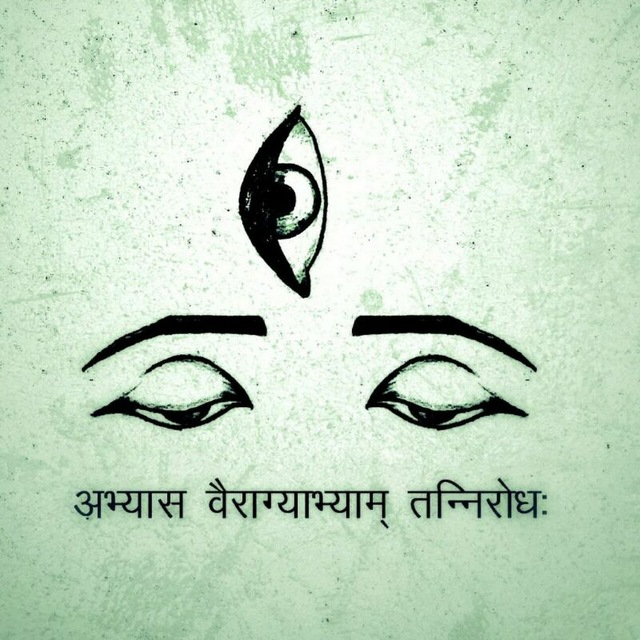
पातंजल योग दर्शन में संप्रज्ञात समाधि
जब साधक ध्यान में गहरा उतरता है और उसका चित्त पूरी तरह से एकाग्र हो जाता है, तब वह 'समाधि' की अवस्था में प्रवेश करता है। महर्षि पतंजलि ने समाधि को मुख्य रूप से दो श्रेणियों में विभाजित किया है: संप्रज्ञात समाधि (Samprajnata Samadhi) और असंप्रज्ञात समाधि (Asamprajnata Samadhi)।